

Best Ayurvedic Therapies for Joint Pain and Arthritis in Kerala

Shirodhara vs Abhyanga: Which Ayurvedic Therapy Is Right for You?
August 25, 2026
Vata Dosha in Ayurveda
October 12, 2026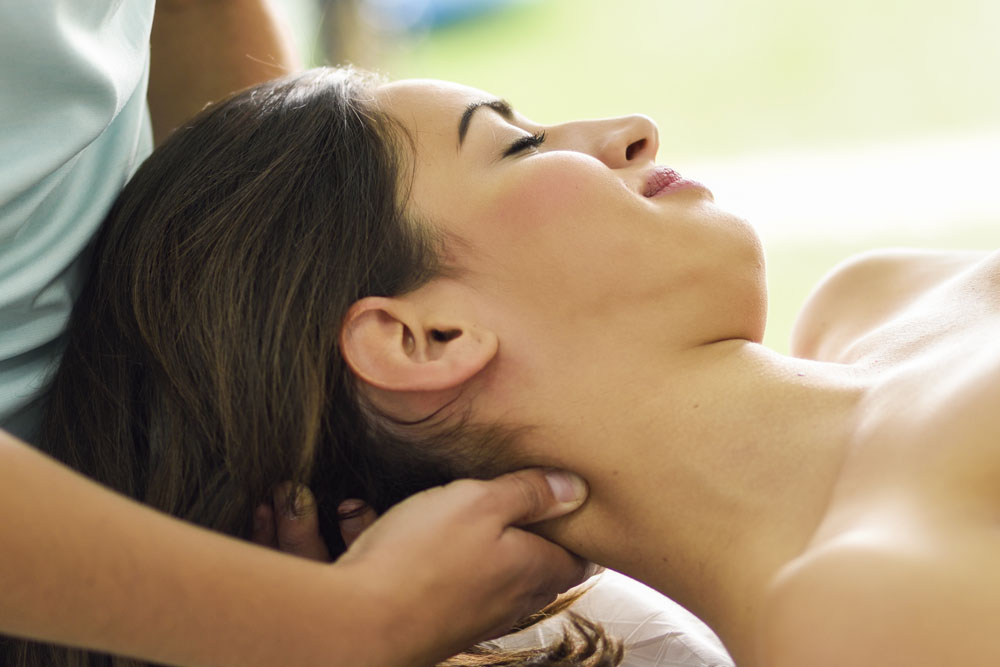
Pain in joints especially, the knee joint has a quiet way of changing your life. Climbing the stairs of your house, standing for a few minutes and even holding a glass of water can be painful. This eventually replaces your enthusiasm in life with excuses.
In Keralam, the Ayurvedic way of treatment for joint pain involves reducing inflammation, restoring the joint curvature and mobility of the involved joints. At Nerium Ayurveda and Wellness Clinic in Kakkanad, we see this transformation regularly, and it’s one of the most rewarding parts of what we do.
Let’s walk through what actually causes joint pain from an Ayurvedic lens, and which classical therapies genuinely help.
Why Joints Ache: The Ayurvedic View
In Ayurveda, the health of a joint depends on agni/metabolism, vata and Sleshaka Kapha dosa. Strong Jataragni is essential for the proper digestion of food and the nutrients thus absorbed, with the effect of Dhatu agni maintains the health of bones, muscles and joints. Joints are supported by the surrounding muscles and ligaments, hence any weakness in it can directly impact the joint and lead to pain or weakness in the affected joint. The lubrication in the synovial sac is maintained by Sleshaka kapha.
Increase in Vata dosa and decrease in kapha dosa is caused by sleeping late, excessive exposure to the cold ambience, over exertion, working for long hours, skipping meals and eating cold food. Thus, aggravated vata dosa leads to stiff joints and weak muscles which lack nourishment. This will slowly cause inflammation and degeneration in the joint causing pain while movement. This condition is classified according to the stage and nature of the dosas involved. Degenerative joint with predominant aggravation of vata dosa is categorised under Sandhivata, while when pitta or blood is vitiated along with vata dosa, it will be vatarakta and when kapha dosa is involved it will lead to Ama vata
The Best Ayurvedic Therapies for Joint Pain and Arthritis
The treatment protocol for the joint disorder starts with assessing the degree of degeneration, tenderness, dosa imbalances, agni and ama/ Inflammation. When there is ama/ inflammation, the medicines and therapies are first directed at reducing it and then followed by nourishing/brmhana therapies. Agni is corrected with special consideration to the dosas involved. External therapies are chosen with special regard to the pathophysiology and progression of the disease.
-
Podi Kizhi
A therapy using poultice filled with Choornam/medicinal powders where, it is heated and applied on the body. Podi Kizhi works by relieving stiffness and spasms in the muscles, ligaments and fascia opening the channels of circulation of lymph. It works well in inflammatory conditions.
-
Udwarthanam (Dry powder therapy)
Warm herbal powder is rubbed on the body in the upward direction. Udwarthanam reduces the accumulated kapha dosa, opens the srotas/ channels, while improving the circulation and flexibility in the joints.
-
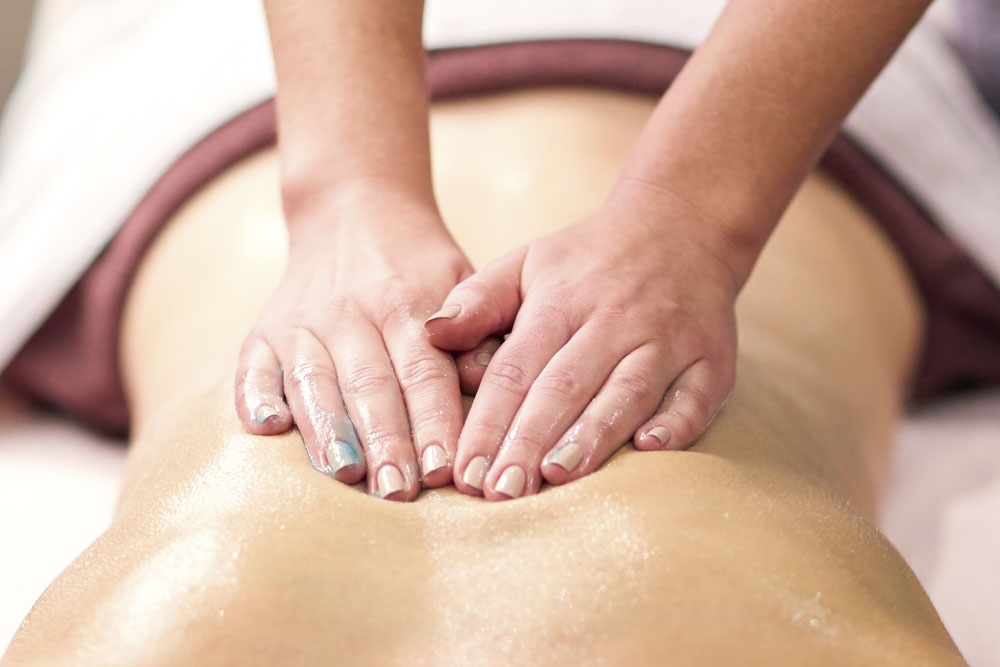
Abhyanga (Warm Oil Massage)
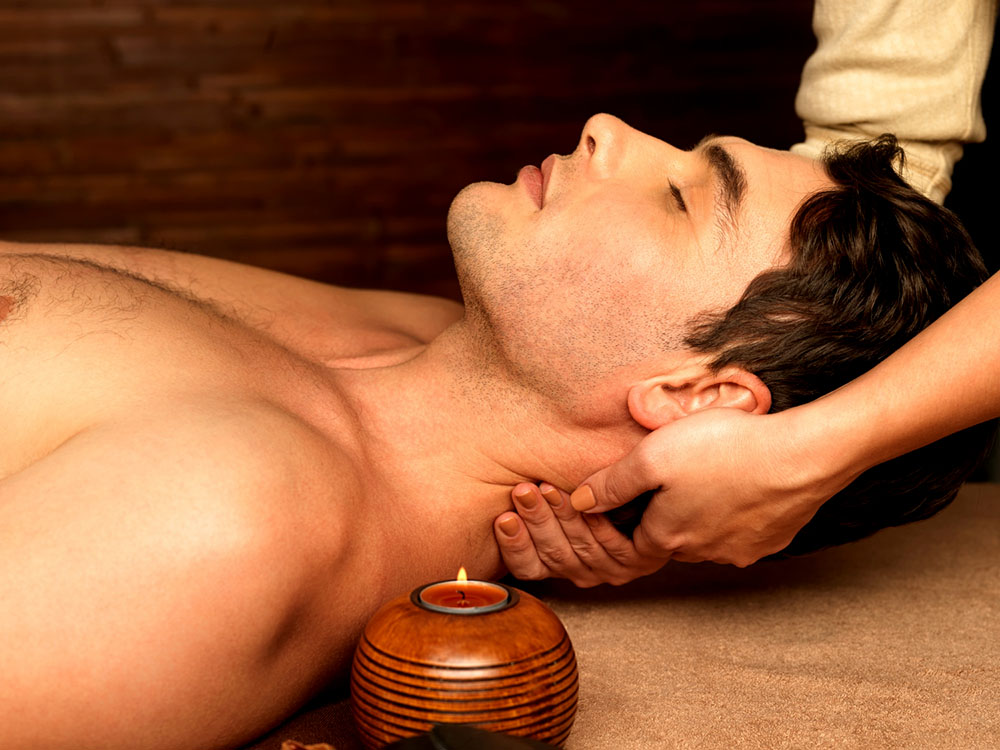
A full-body Ayurvedic massage in Kakkanad using warm, ayurvedic oils that penetrate deep into the tissues. Abhyanga lubricates the joints, improves circulation, and calms aggravated Vata dosa.
-
Swedanam (Steam Therapy)
Following oil application, steam therapy opens the pores and allows deeper absorption while loosening stiff joints and muscles. Swedanam is almost always paired with the Abyangam for maximum effect.
-
Elakizhi (Medicinal Leaf Poultice)
Poultice prepared with medicinal leaves, turmeric, garlic and other medicines are dipped in hot ayurvedic oil and then pressed rhythmically over the body with focus on affected joints. Elakizhi is particularly effective for reducing stiffness, easing muscle spasms around the joint, and improving circulation.
-
Pizhichil
Warm medicated oil is poured over the body in a continuous stream. Pizhichil is one of the most effective therapies for chronic degeneration, and deep-seated joint weakness, as it nourishes both muscles and nerves.
-
Njavara Kizhi
This unique therapy uses poultice of a special medicinal rice (Njavara) cooked in milk and herbal decoction, then massaged over the body. It’s deeply nourishing for the muscles and joints, often used to rebuild strength after chronic joint degeneration. Explore Njavara Kizhi for restorative joint care and rehabilitation therapy.
-
Kati Vasti / Greeva Vasti/ Janu Vasti
A pool of warm medicated oil is held over the lower back or neck or knee, using a dam made of dough, allowing prolonged, deep oil penetration into a specific painful area. This is especially valuable for spinal joint issues and localized arthritis.
Why Kerala’s Approach Works So Well
What sets Kerala’s Ayurvedic tradition apart is the sequencing. Treatment follows a classical order: first reduce inflammation and spasm with ruksha therapies along with enhancing metabolism followed by brmhana/nourishing therapies to strengthen the bone and muscles. In chronic degenerative conditions first, shodana/purificatory therapies are administered to cleanse the body and open the channels, followed by the above protocol. Joint care doesn’t stop with a single course of therapy. If you’re planning treatment around the monsoon season, this guide on post-Karkidakam Ayurveda in Kerala explains how to ease back into your normal routine after seasonal care.
Supporting Your Joints Beyond Treatment
Alongside therapy, Ayurveda emphasizes:
- Warm, easily digestible food to keep Agni (digestive fire) strong and prevent Ama formation
- Gentle, regular movement — joints need motion to stay lubricated, not rest alone
- Herbal medicines
- Proper night sleep
Who Should Consider These Therapies?
These treatments benefit people with stiff shoulder, low back ache, knee pain, osteoarthritis, rheumatoid arthritis, sciatica, spondylosis, and general age-related joint stiffness. They’re equally valuable for younger people dealing with sports-related joint strain or early signs of stiffness from sedentary work and excess travelling.
Frequently Asked Questions
How many sessions are needed for joint pain relief?
It depends on the condition and its duration. Mild stiffness may improve in a week, while chronic arthritis often needs a structured course of 14 to 21 days for lasting results.
Is oil massage safe for swollen, inflamed joints?
Not always immediately. If Ama (toxins) and inflammation are present, detox or ruksha therapies usually come first. This is why a proper diagnosis with an Ayurvedic Physician is essential before starting oil-based treatments.
Can Ayurveda help with rheumatoid arthritis and osteo arthritis?
Yes. Ayurveda addresses both the conditions, though the treatment approach differs significantly between the two.
Find Real Relief for Your Joints
Living with joint pain doesn’t have to be your new normal. As a trusted Ayurveda clinic in Keralam, Nerium Ayurveda and Wellness Clinic in Kakkanad offers personalized therapy plans that treat the root cause of your pain, not just the symptoms.
Call or message us on 088487 64701 to book your consultation and take the first step toward stronger, pain-free joints.

1 Comment
[…] described in general as Vata Vyadhi. Some of them are ardita/facial palsy, pakshaghata/paralysis, grdrasi/sciatica, etc. Vata is sometimes associated with other dhatus to cause a disease where there is aggravation […]