

Vata Dosha in Ayurveda

Best Ayurvedic Therapies for Joint Pain and Arthritis in Kerala
September 30, 2026
Takradhara (Takra Dhara) Treatment: Procedure, Benefits and Uses
October 30, 2026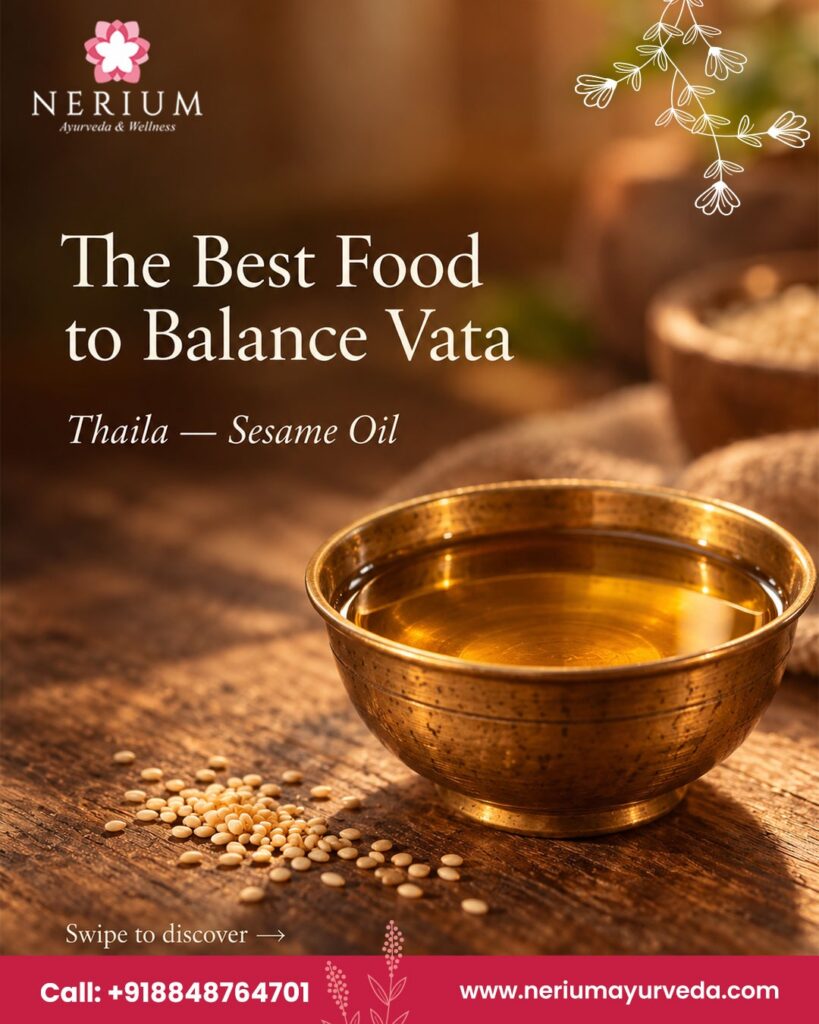
In Ayurveda, Gunas (properties of substances) are twenty in number. They are classified into three doshas with respect to their natural affinity of occurrence. The three doshas are Vata, Pitta, and Kapha, each of which is a group of properties/gunas. Some gunas are common to two doshas, like the sita guna/cold potency, which is common to both Vata and Kapha dosha.
Properties and Functions of Vata Dosha
The properties of Vata dosha are ruksha/dryness, laghu/lightness, sita/cold, khara/rough, sukshma/minute, and chala/movement. Vata is responsible for all movements in the body and is mainly located in the region below the umbilicus, and hence important in the proper functioning of bowel, bladder, and uterus. The important dhatu associated with Vata is asthi dhatu/bones, and the main sense organs are the ear and skin.
In its normalcy, Vata is also responsible for enthusiasm, movement, breathing, nourishing dhatus, and proper functioning of the sense organs. There is a natural increase of the properties of Vata in the later stage of life, day, night, and digestion. Vata dosha is also known as Anila and is made up of akasa/ether and vayu/air Mahabhuta.
Vata Prakriti and Signs of Aggravation
People are born with different constituents. Some have increased features of Vata in them, like dry skin, hair, restlessness, and a lean build — such people are categorized under Vata Prakriti. If a Vata Prakriti person indulges in spicy, hard-to-digest food, poor sleep, and exposure to cold, Vata dosha gets aggravated and would likely lead to stiffness, weak digestion, poor gut motility leading to hard faeces, cracked heels, loss of muscle bulk, and weak sensory functions. It happens because of a lack of nourishment.
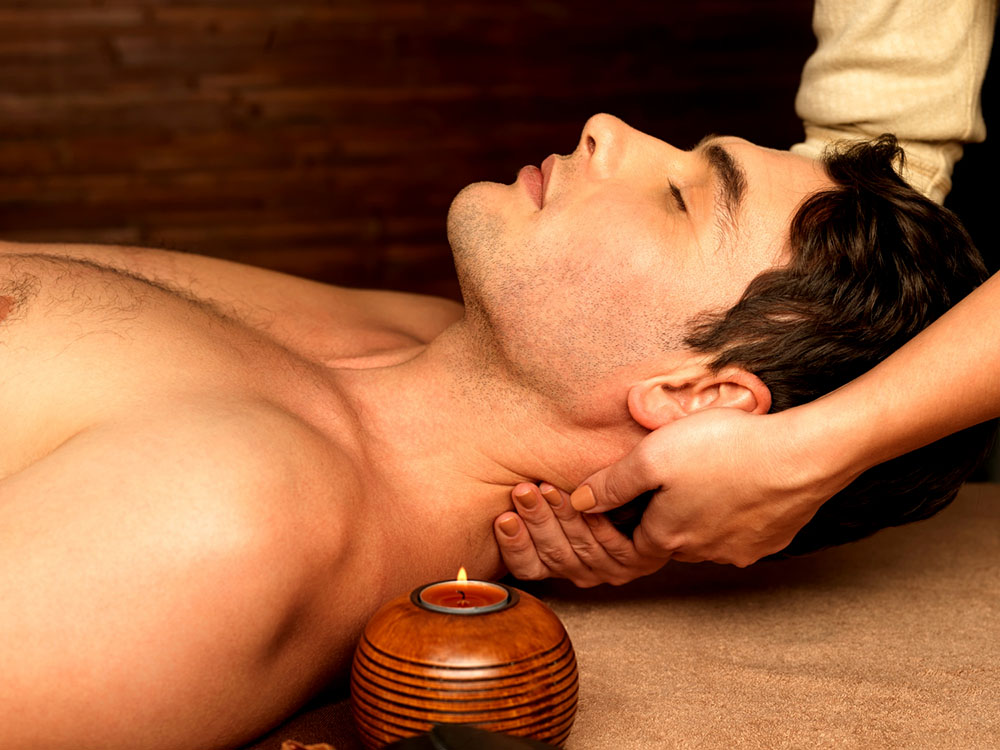
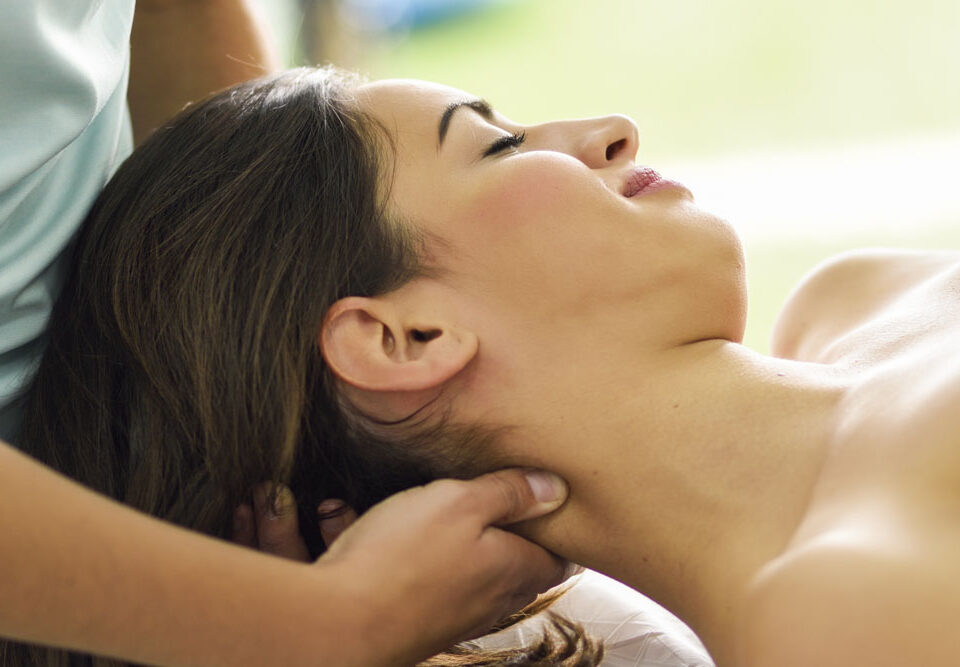
In such cases, sleep, warm Ayurvedic oil massage/Abyanga, fomentation/swedana, and food which is unctuous and nourishing, with predominant tastes of sweet, sour and salt, can help reduce Vata. To see how this therapy is done and what to expect, read our guide on Abhyanga massage in Kochi
The Five Divisions of Vata (Pancha Vata)
Vata has five divisions: Prana, Udana, Vyana, Samana and Apana.
- Prana is located in the head and moves in the throat and chest. It is responsible for breathing, swallowing, the heart, intelligence, and the sense organs.
- Udana vata is located in the chest and moves in the nose, throat, and umbilicus. Its functions are speech, memory, and strength.
- Vyana vata is located in the heart and moves all around the body. It is responsible for all movements of the body parts, like walking, lifting your hand, etc.
- Samana is located near the digestive system, helps hold food during digestion, separates the nourishing medium from the waste, and eliminates the rest.
- Apana vata is located in the large intestine and moves in the waist, bladder, and thighs. It is responsible for functions like elimination of faeces, urine, menstrual fluid, and fetus.
When Vata Dosha Is Too Low
If Vata dosha is weak in a person, it can cause heaviness, lack of energy, productive cough, and too much sleeping. In such cases, lekana/drying therapy, or adopting the opposite of nourishment, is the treatment.
When Vata Dosha Is Aggravated
The properties of Vata dosha are naturally high in old age, evening, and early morning. It can also be aggravated during other phases by poor lifestyle choices and food habits. Aggravated Vata can cause drying of the channels of the body, leading to weakness, emaciation, constipation, bloating, weak sensory organs, and poor sleep.
The pathophysiology can lead to all the degenerative conditions described in general as Vata Vyadhi. Some of them are ardita/facial palsy, pakshaghata/paralysis, grdrasi/sciatica, etc. Vata is sometimes associated with other dhatus to cause a disease where there is aggravation of two or three doshas.
Ayurvedic Treatment for Aggravated Vata
The treatment of aggravated Vata dosha involves medicines which are dipana/digestives and pachana/drugs which digest the toxins in the body. Along with that, medicated ghee or oils and foods which are nourishing, unctuous, sour, salty, and sweet are prescribed. A traditional example is sambaram, Kerala’s spiced buttermilk (takra), taken with lunch to kindle digestion.
The body is treated with external oil application and sudation therapies like Abyanga Swedam, Elakizhi, Naranga Kizhi, which open the channels of the body and reduce stiffness of muscles and fascia. This is then followed by Njavara Kizhi or anuvasanam to make the body flexible and nourished.
If the toxic accumulation in the body is high, it is then cleansed with the suitable Panchakarma therapy like virechana/purgation or niruha/decoction enema. The agni/metabolism is restored to normalcy after the cleansing procedure with utmost care, thus bringing back balance in the doshas and dhatus.
A Daily Ritual to Keep Vata in Balance
Oil application on the head, ears, and feet is mentioned to be conducted as a daily ritual in Ayurveda for longevity and to prevent aging. Tila taila, or gingelly oil, is mentioned in Astanga Hrdaya as the best oil to prevent Vata aggravation.
Hence, external application of oil/Abyanga, including nourishing oils in your food, sleeping well at night, and an active lifestyle can be a secret sauce for healthy living.
Find Balance with Nerium Ayurveda
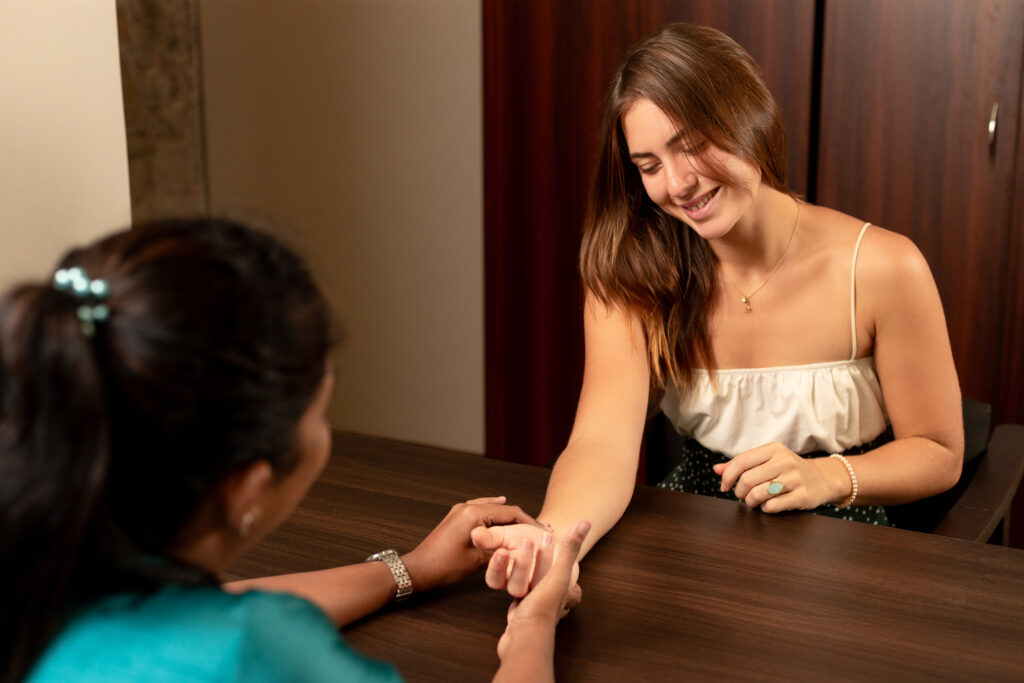
Understanding your dosha is the first step toward lasting health. As a trusted Ayurveda clinic in Kerala, Nerium Ayurveda and Wellness Clinic in Kakkanad offers personalized consultations to assess your Prakriti and guide you back to balance.
Call or message us at 088487 64701 to book a consultation with our Ayurveda doctor.
1 Comment
[…] The head is one of the three vital spots (trimarma) of the body and the seat of prana (life). As per the ancient wisdom of Ayurveda, a person is like a peepal tree with its roots upwards, meaning that the head on top controls the trunk below. The brain, located in the head, is the seat of intellect, memory and mental faculties. All the sense organs are also located in the head. From the dosha perspective, the head is predominantly Kapha, as it is the seat of shleshma. The specific doshas of this region are Prana Vayu, Alochaka Pitta and Bodhaka Kapha. […]